
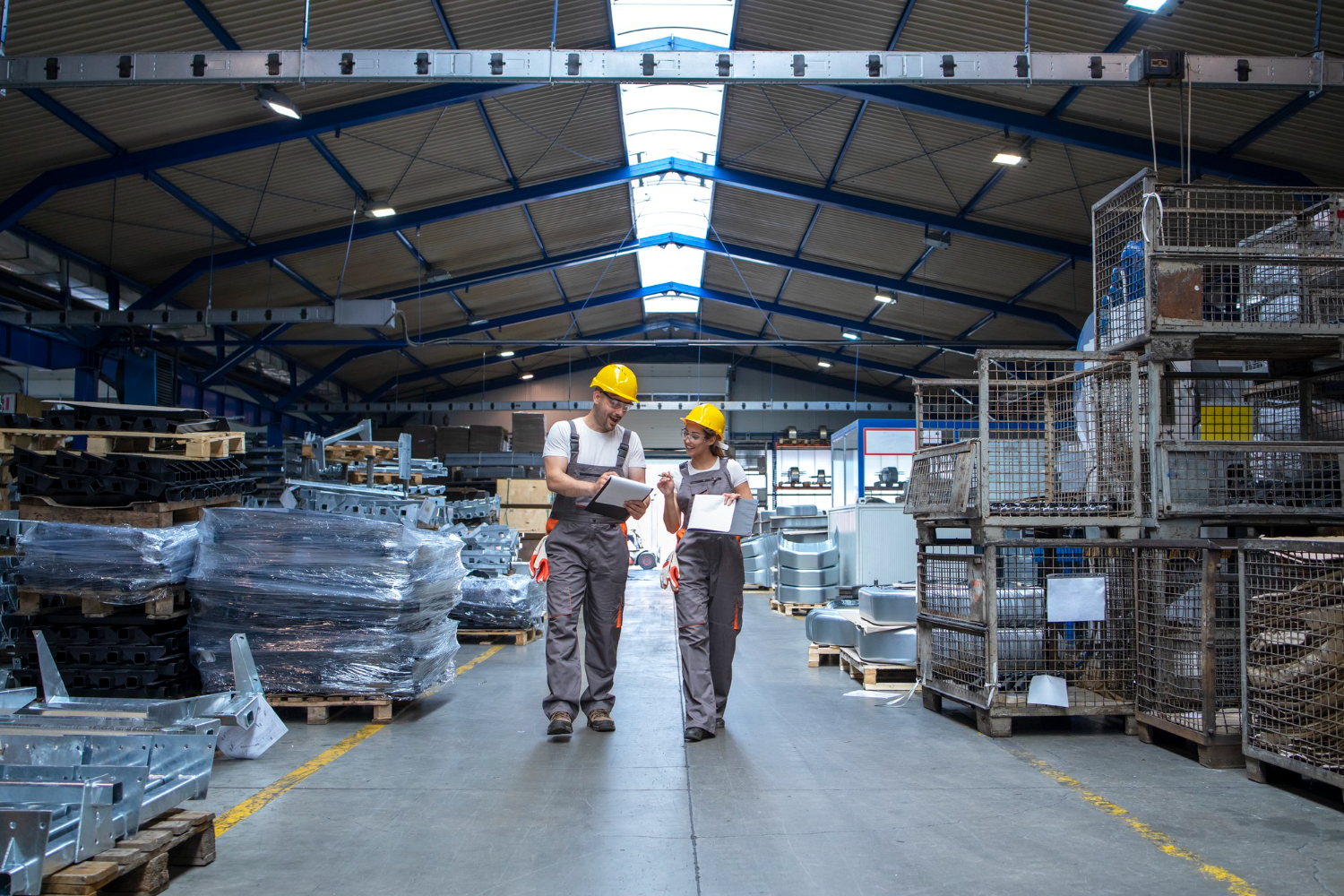
ในปัจจุบันการเช่าโรงงานให้เช่า ชลบุรี ถือเป็นอีกหนึ่งทางเลือกสำหรับผู้ประกอบการ ที่ทุกคนไม่ควรพลาดเลยทีเดียว เพราะถึงแม้ว่ากรุงเทพฯ จะเป็นศูนย์กลางของเศรษฐกิจในประเทศไทย แต่ชลบุรีจะเป็นอีกหนึ่งจังหวัดที่เป็นที่ตั้งของนิคมอุตสาหกรรมมากถึง 15 ซึ่งจะเป็นนิคมอุตสาหกรรมที่สำคัญทั้งสิ้น
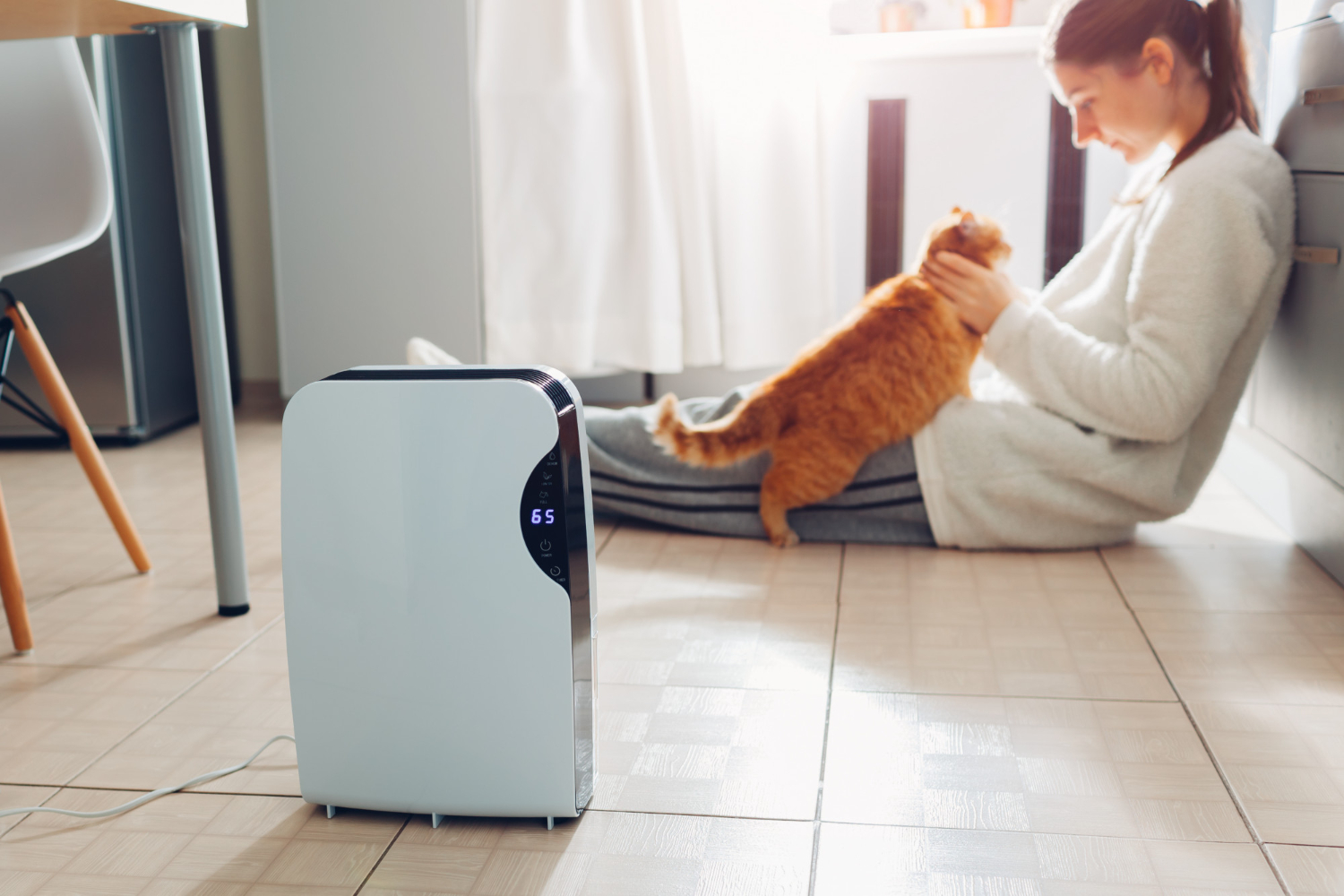
เครื่อง กำจัด ความชื้น ไม่เลือกใช้งาน ก่อให้เกิดผลกระทบอย่างไรบ้าง?
หลาย ๆ คนอาจจะมองว่าเครื่อง กำจัด ความชื้นไม่สำคัญเท่าไหร่นัก เพราะถึงแม้ว่าเราไม่ใช้งานเครื่องกำจัดความชื้น ก็สามารถอยู่ได้โดยไม่ส่งผลกระทบต่อการใช้ชีวิตประจำวันเท่าไหร่ หรือบางคนอาจจะคุ้นชินกับการอยู่ในสภาพอากาศที่ร้อนชื้นมาตั้งแต่เกิด แต่ทุกคนรู้หรือไม่ว่า การที่อากาศในบ้านเรามีความชื้นในปริมาณมาก จะส่งผลเสียต่อร่างกายในระยะยาวได้มากที่สุด และยังส่งผลกระทบต่ออุปกรณ์ หรือเครื่องใช้ต่าง ๆ ในบ้านของเราได้อีกด้วย เรียกได้ว่ามีผลกระทบที่ทุกคนไม่ควรมองข้ามเลยทีเดียว เครื่อง กำจัด ความชื้น ช่วยลดปัญหาใหญ่ ก่อให้เกิดความอันตรายมากกว่าที่คิด แม้ว่าในประเทศไทยจะมีสภาพอากาศร้อนตลอดทั้งปี แต่ทุกคนรู้หรือไม่ว่าความจริงแล้วสภาพอากาศในประเทศไทยจะมีลักษณะ “ร้อนชื้น” หรือเป็นสภาพอากาศที่มีไอน้ำปะปนอยู่เป็นจำนวนมาก โดยเฉลี่ยสถิติความชื้นสัมพันธ์ในประเทศไทย จะอยู่ที่ประมาณ 74-80% ตลอดทั้งปี แต่ความชื้นจะมีเปอร์เซ็นต์ลดลงเมื่อเข้าสู่ช่วงฤดูร้อน แต่ในฤดูอื่น ๆ ยิ่งฤดูฝนนั้น ในอากาศจะมีความชื้นอยู่จำนวนมาก ส่งผลให้เครื่อง กำจัด ความชื้นมีความสำคัญมากที่สุด เพราะหากในบ้าน สำนักงาน หรือโรงงานอุตสาหกรรมของเรามีความชื้นอยู่เป็นจำนวนมาก จะส่งผลกระทบในด้านต่าง ๆ อีกมากมาย แถมยังส่งผลเสียต่อสุขภาพร่างกายของเราได้อีกด้วย เราจำจำเป็นต้องควบคุมระดับความชื้นให้อยู่ในปริมาณที่เหมาะสม เพื่อช่วยลดความชื้น และควบคุมปริมาณความชื้นในอากาศให้สมดุลมากที่สุด เพื่อช่วยลดผลเสียต่อร่างกาย และอื่น ๆ ได้อย่างดียิ่งขึ้น ความชื้นในอากาศสูง ส่งผลกระทบในด้านใดได้บ้าง? หลาย ๆ […]
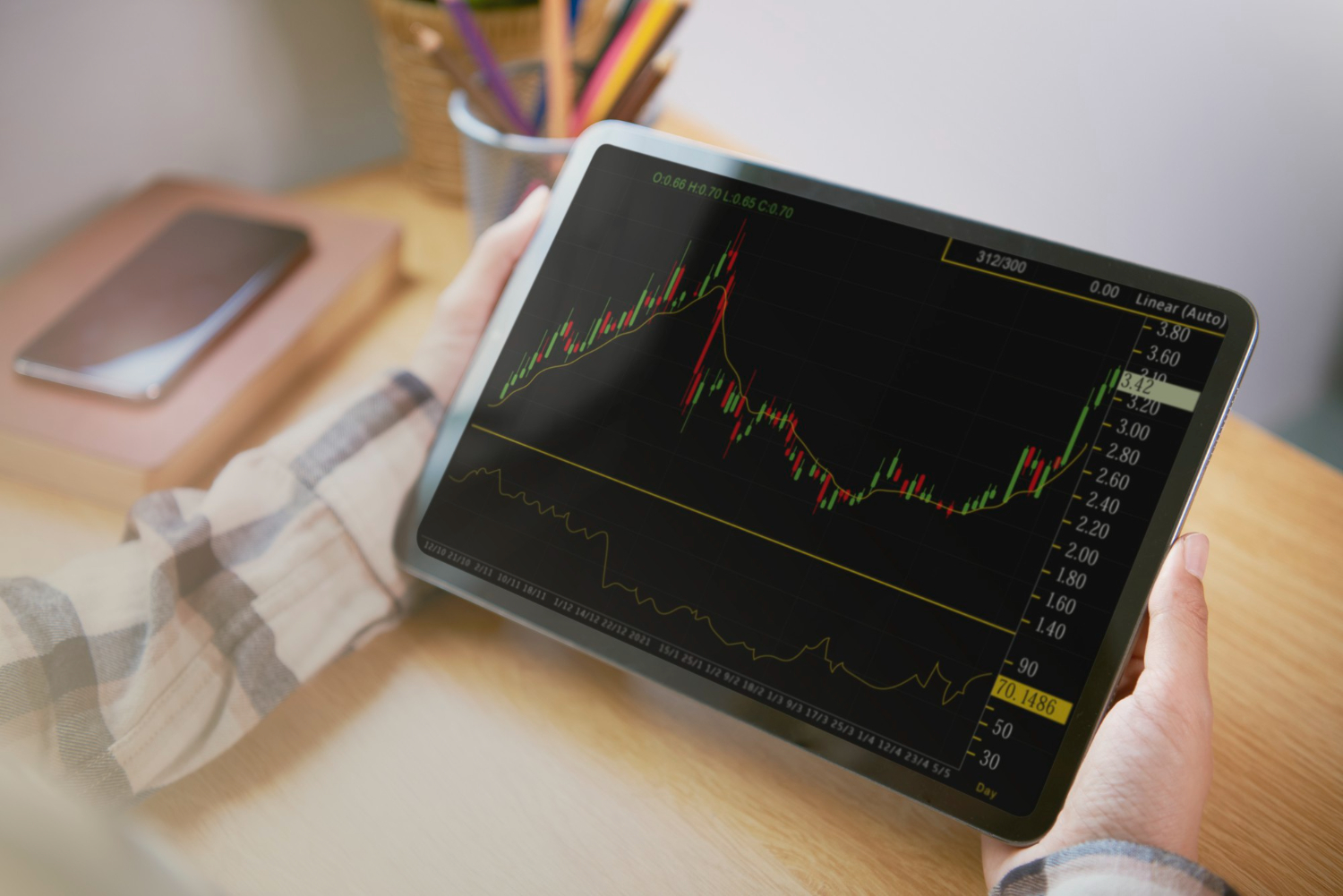
เทรดค่าเงิน ลงทุนระยะสั้นที่เหมาะสมในการสร้างรายได้
หลายคนคงยังไม่รู้ว่า เทรดค่าเงิน ก็สามารถทำกำไรได้ทั้งในส่วนของการแลกเปลี่ยนสกุลเงินและโลหะที่มีราคาเช่น ทอง เงิน น้ำมัน ดัชนีหุ้น เป็นการเทรดที่ใช้ต้นทุนไม่สูงมากนักสามารถเล่นได้ทั้งในประเทศไทยและหุ้นต่างประเทศ อีกทั้งยังมีช่องทางในการทดลองเทรดฟรี เพื่อให้เพิ่มความชำนาญ ประสบการณ์ก่อนที่จะเริ่มลงทุนเทรดจริงจะช่วยให้ท่านมีความรู้สามารถรับมือกับความผันผวน ค่าเงินที่เปลี่ยนแปลงอย่างรวดเร็วได้เป็นอย่างดี คำสั่งซื้อ buy นักลงทุนหรือเทรดเดอร์สามารถ เทรดค่าเงิน ใช้คำสั่งซื้อ หรือเรียกกันว่าเปิด long มีความหมายว่าสั่งซื้อสกุลเงิน เพื่อจุดประสงค์เก็งกำไรหรือรอระยะเวลาให้มีราคาสูงมากยิ่งขึ้น ในกรณีเช่น สั่งซื้อสกุลเงิน EUR/USD เพราะคาดการณ์และวิเคราะห์ว่าในภายภาคหน้าสกุลเงินคู่นี้จะมีราคาที่สูงมากขึ้น เมื่อผลปรากฏว่าสกุลเงิน USD มีราคาที่ดีกว่าก็จะทำให้เราได้กำไร คำสั่งขาย Sell เป็นอีกหนึ่งคำสั่งของการ เทรดค่าเงิน เป็นคำสั่งที่ทำการขาย หรือที่เรียกกันว่าเปิด shot มีความหมายว่าขายสกุลเงินในขณะที่คาดการณ์ว่าสกุลเงินจะอ่อนค่าลงและรอเวลาเพื่อซื้อกลับมาจริงกำไรในอนาคต ในตอนที่ค่าสกุลเงินอ่อนลงเพราะหากไม่ขายสกุลเงินที่วิเคราะห์ทิ้งเมื่อค่าเงินอ่อนลงจะทำให้ขาดทุนนั่นเอง เป็นกลยุทธ์ที่ผู้เทรดควรฝึกฝนอย่างชำนาญจะช่วยลดความเสี่ยงได้เป็นอย่างดี ตลาดค่าสกุลเงิน มีเวลาเปิด-ปิด เวลาใด แน่นอนว่าตลาดค่าสกุลเงินจะต้องมีการเปิดปิดเป็นระยะเวลาที่แน่นอน โดยจะเปิดทำการ 5 วันก็คือ วันจันทร์ถึงวันศุกร์ ปิดให้บริการวันเสาร์และวันอาทิตย์ ถึงแม้ว่าค่าสกุลเงินแต่ละชนิดจะมีเวลาเปิดปิดที่ไม่เท่ากันหรือเปิดปิดโดยคาบเกี่ยวกัน นักลงทุน เทรดค่าเงิน ก็ยังสามารถเทรดได้ตลอด 24 ชั่วโมง ตลาดค่าเงิน ถือเป็นอีกตลาดใหญ่ที่ได้รับความนิยมสูงมากในโลกปัจจุบัน […]
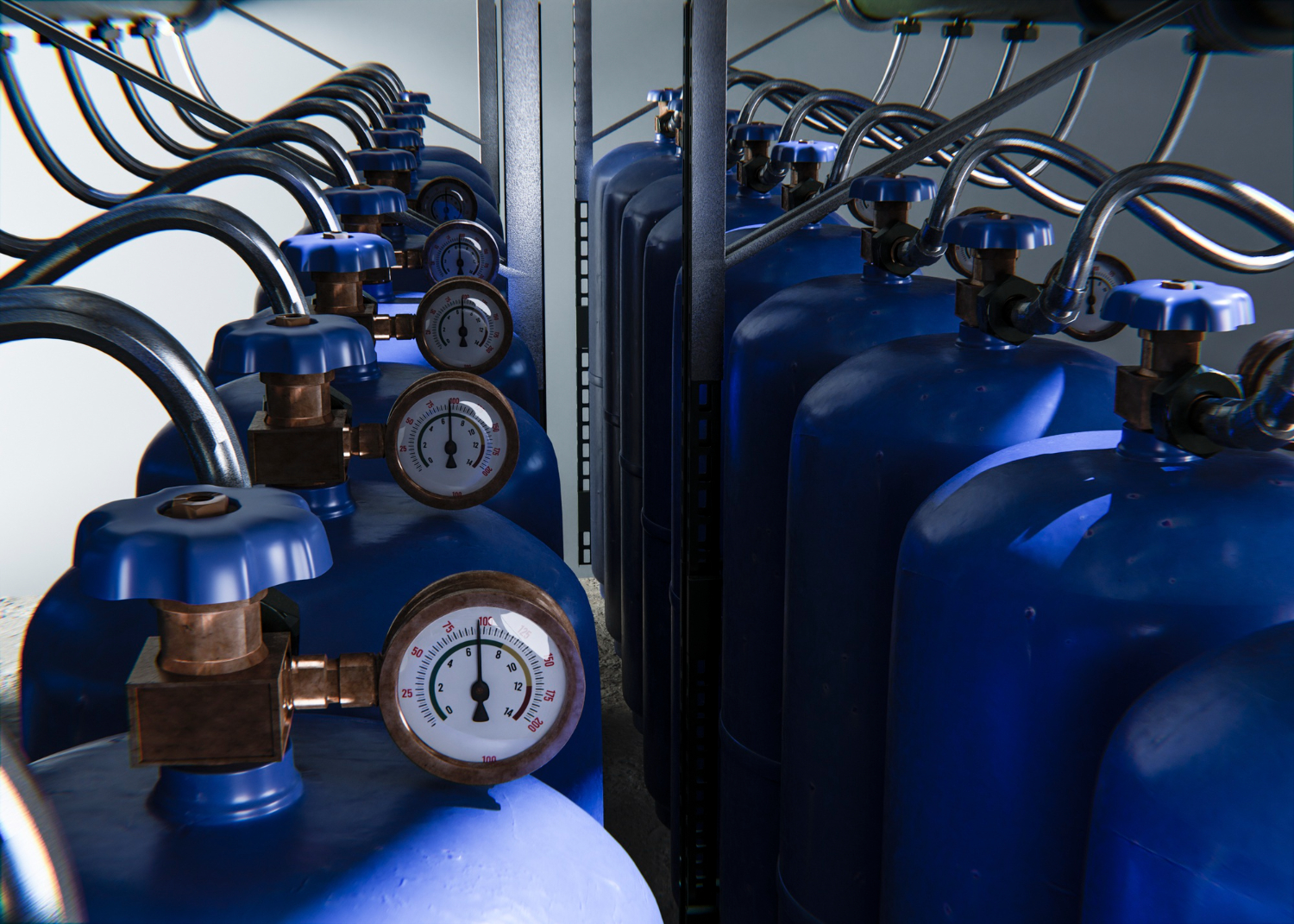
คุณสมบัติของสายแก๊สแรงดันสูง
สายแก๊สแรงดันสูง คือ อุปกรณ์ที่นำมาใช้ในการส่งแก๊ส โดยมีคุณสมบัติและคุณลักษณะเฉพาะ เพื่อทำให้ผู้ใช้งานมั่นใจได้ในเรื่องของความปลอดภัย ประสิทธิภาพ และความน่าเชื่อถือ มาทำความรู้จักกับคุณสมบัติหลักสายแก๊สแรงดันสูงกันเลย คุณสมบัติพิเศษของ สายแก๊สแรงดันสูง สายแก๊สแรงดันสูง มักถูกสร้างด้วยอุปกรณ์ที่มีความหนาเพื่อทนต่อแรงดันภายในที่สูง มักทำจากวัสดุเช่นเหล็กหรือโลหะผสมที่มีความแข็งแรงสูง และยังมีคุณสมบัติพิเศษอื่น ๆ เพิ่มเติม ดังนี้ คุณสมบัติและคุณลักษณะเฉพาะ ของสายแก๊สแรงดันสูง คุณสมบัติของสายแก๊สแรงดันสูงในแต่ละรุ่น หรือแต่ละแบรนด์อาจแตกต่างกันไป ขึ้นอยู่กับประเภทของแก๊สที่ถูกเพิ่มแรงดันและการใช้งานที่ต้องการ สิ่งสำคัญคือ ต้องมีการจัดการกับแก๊สแรงดันสูงด้วยความระมัดระวัง และปฏิบัติตามแนวทางและข้อบังคับด้านความปลอดภัย เพื่อทำให้มั่นใจในความปลอดภัยของทั้งผู้ใช้งานเอง รวมไปถึงความปลอดภัยของสิ่งแวดล้อม สายแก๊สแรงดันสูง เป็นอุปกรณ์ที่มีลักษณะเฉพาะและมีคุณสมบัติที่เหมาะสม เพื่อทำให้ผู้ใช้งานมั่นใจในด้านความปลอดภัย ประสิทธิภาพ และความเชื่อถือในการทำงาน ได้รับการออกแบบมาให้มีความเหมาะสม ใช้งานตามประเภทของแก๊สที่ถูกขนส่ง เพื่อความปลอดภัยเป็นสิ่งสำคัญ
สามารถต่อวีซ่าคนต่างชาติได้กี่ปี?
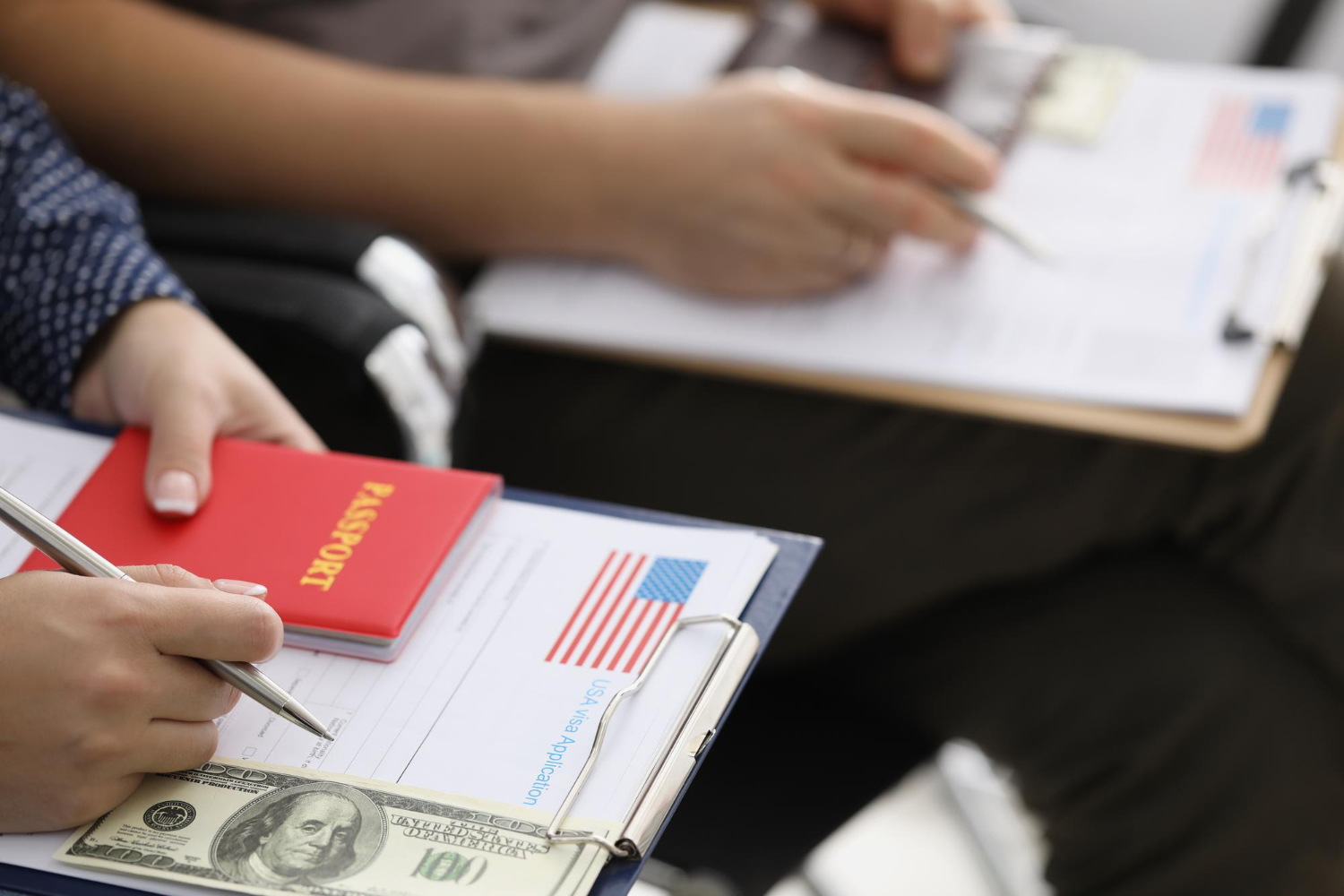
เมื่อเดินทางหรืออยู่ต่างประเทศ การมีวีซ่าที่ถูกต้องเป็นสิ่งสำคัญสำหรับชาวต่างชาติ วีซ่าอนุญาตให้บุคคลเข้าและอยู่ในประเทศได้อย่างถูกกฎหมายตามระยะเวลาที่กำหนด แต่ระยะเวลาของวีซ่านั้นไม่เพียงพอต่อความต้องการของทุกคนเสมอไป ในหลายกรณี ชาวต่างชาติอาจต้องต่ออายุวีซ่าเพื่ออยู่ต่อ ในบทความนี้ เราจะมาให้คำตอบในหัวข้อการต่อวีซ่าคนต่างชาติและระยะเวลาสูงสุดที่สามารถต่ออายุวีซ่าของชาวต่างชาติได้ ทำความเข้าใจเกี่ยวกับการต่อวีซ่าคนต่างชาติ การต่อวีซ่าคนต่างชาติหมายถึงกระบวนการในการยืดระยะเวลาของวีซ่าที่มีอยู่เกินกว่านั้น ความถูกต้องดั้งเดิมของมัน โดยทั่วไปแล้ว การต่ออายุวีซ่ามักเป็นที่ต้องการของบุคคลที่ต้องการขยายเวลาการพำนักในต่างประเทศด้วยเหตุผลหลายประการ เช่น ทำงาน การศึกษา การท่องเที่ยว หรือการเยี่ยมครอบครัว กฎและข้อบังคับเกี่ยวกับการต่อวีซ่าแตกต่างกันไปในแต่ละประเทศ และสิ่งสำคัญคือต้องทำความคุ้นเคยกับหลักเกณฑ์เฉพาะของประเทศเจ้าบ้าน ระยะเวลาสูงสุดในการต่ออายุวีซ่า ระยะเวลาสูงสุดที่สามารถต่อวีซ่าคนต่างชาติได้ ขึ้นอยู่กับปัจจัยหลายประการ รวมถึงประเภทของวีซ่า วัตถุประสงค์ในการพำนัก และกฎระเบียบของประเทศเจ้าบ้าน เรามาหารือเกี่ยวกับประเภทวีซ่าทั่วไปบางประเภทและระยะเวลาการขยายเวลาที่อนุญาตกัน 1. วีซ่าท่องเที่ยว วีซ่าท่องเที่ยวมักจะออกให้ตามระยะเวลาที่กำหนด โดยทั่วไปตั้งแต่สองสามสัปดาห์ถึงสองสามเดือน ในหลายประเทศ นักท่องเที่ยวสามารถยื่นขอต่ออายุวีซ่าได้หากต้องการขยายระยะเวลาการพำนัก ระยะเวลาการขยายเวลาสูงสุดสำหรับวีซ่าท่องเที่ยวอาจแตกต่างกันไป ตั้งแต่สองสามสัปดาห์ไปจนถึงหลายเดือน ขึ้นอยู่กับนโยบายการเข้าเมืองของประเทศ 2. วีซ่าทำงาน โดยทั่วไปแล้ววีซ่าทำงานจะได้รับโดยบุคคลที่ประสงค์จะทำงานในต่างประเทศ ระยะเวลาของวีซ่าทำงานจะแตกต่างกันไปในแต่ละประเทศ และระยะเวลาการขยายเวลาสูงสุดจะขึ้นอยู่กับกฎการเข้าเมืองในท้องถิ่น บางประเทศอนุญาตให้ต่ออายุวีซ่าได้หลายครั้ง ทำให้ชาวต่างชาติสามารถอยู่ต่อได้หลายปี หากมีคุณสมบัติตรงตามข้อกำหนดที่จำเป็น 3. วีซ่านักเรียน วีซ่านักเรียนจะมอบให้กับบุคคลที่ลงทะเบียนในสถาบันการศึกษาในต่างประเทศ ระยะเวลาของวีซ่านักเรียนมักจะสอดคล้องกับระยะเวลาของโปรแกรมการศึกษา ในบางประเทศ นักเรียนสามารถยื่นขอต่ออายุวีซ่าเพื่อสำเร็จการศึกษาหรือศึกษาต่อได้ ระยะเวลาการขยายเวลาสูงสุดสำหรับวีซ่านักเรียนจะแตกต่างกันไป แต่โดยปกติจะจำกัดอยู่ที่ระยะเวลาของโปรแกรมการศึกษา 4. วีซ่าผู้พำนักชั่วคราว วีซ่าผู้พำนักชั่วคราวมักจะออกให้แก่บุคคลที่ตั้งใจจะอยู่ในต่างประเทศเป็นระยะเวลานาน […]
บทลงโทษการดื่มแล้วขับมีผลกระทบอย่างไรต่อราคาเบี้ยประกันรถยนต์
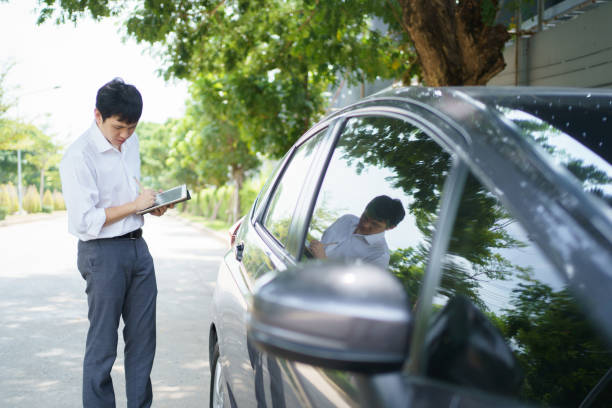
การดื่มแล้วขับของไทยเป็นปัญหาที่สำคัญในสังคมและมีผลกระทบต่อความปลอดภัยในทางถนน และเป็นเรื่องที่สำคัญสำหรับผู้ถือกรมธรรม์ประกันรถยนต์ ซึ่งมีผลกระทบที่ส่งผลต่อราคาเบี้ยประกันรถยนต์ หากว่าคุณเกิดความสงสัย การทราบถึงประกัน 3 ราคาต่าง ๆ จะช่วยให้การพิจารณาความเสี่ยงจากปัจจัยต่าง ๆ ได้แล้วสามารถทำไปใช้ต่อเพื่อคำนวณเบี้ยประกันรถยนต์ได้ การดื่มแล้วขับของไทยถือเป็นการกระทำที่ผิดกฎหมาย และผู้กระทำผิดอาจถูกลงโทษตามกฎหมายที่เกี่ยวข้อง นอกจากนี้ การดื่มแล้วขับยังเป็นสาเหตุของอุบัติเหตุทางถนนมากมาซึ่งส่งผลต่อเบี้ยประกัน 3 ราคาให้แตกต่างกันไปในกรณีที่ผู้ขับขี่เป็นผู้มีโอกาสก่ออุบัติเหตุจากการเมาแล้วขับ การดื่มแล้วขับของไทยมีผลกระทบต่อเบี้ยประกัน 3 ราคาของรถยนต์เนื่องจากปัจจัยความเสี่ยงที่สูงขึ้น บริษัทประกันภัยอาจต้องการเบี้ยประกันที่สูงขึ้นเนื่องจากมีความเสี่ยงในการเกิดอุบัติเหตุที่มากกว่า นอกจากนี้ บุคคลที่ดื่มแล้วขับก็อาจมีประวัติที่ไม่ดีในประวัติการขับขี่ ซึ่งอาจส่งผลให้บริษัทประกันภัยพิจารณาว่ามีความเสี่ยงสูงขึ้นและปรับราคาเบี้ยประกันรถยนต์ให้ตรงตามนั้น นอกจากนี้ การดื่มแล้วขับยังส่งผลให้เกิดอุบัติเหตุบ่อยครั้ง ซึ่งอาจทำให้บุคคลที่เป็นเจ้าของกรมธรรม์ประกันรถยนต์ต้องเรียกร้องความเสียหายจากบริษัทประกันภัยบ่อยขึ้น ในกรณีเช่นนี้ บริษัทประกันภัยอาจพิจารณาว่าเป็นความเสี่ยงเพิ่มเติมและอาจส่งผลให้เบี้ยประกันรถยนต์สูงขึ้น บทลงโทษการดื่มแล้วขับของไทยมีผลกระทบอย่างไรต่อเบี้ยประกัน 3 ราคารถยนต์นั้น เป็นหัวข้อที่น่าสนใจเพราะเกี่ยวข้องกับความปลอดภัยในการใช้รถยนต์ในประเทศไทย การดื่มแล้วขับของไทยเป็นปัญหาที่ค่อนข้างรุนแรง และมีผลกระทบทางสังคมและความปลอดภัยของผู้ใช้ถนนที่มีผู้ขับขี่ดื่มอยู่บนถนน ผู้ขับขี่ที่ดื่มแล้วขับอาจเสี่ยงต่ออุบัติเหตุและการเกิดอุบัติเหตุเป็นผลให้บริษัทประกันภัยต้องจ่ายค่าเสียหายให้กับผู้เอาประกันภัยที่ได้เกิดความเสียหาย ซึ่งอาจส่งผลให้บริษัทประกันภัยพิจารณาเบี้ยประกัน 3 ราคารถยนต์ที่สูงขึ้น อีกเหตุผลคือ การดื่มแล้วขับในไทยมีผลกระทบต่อราคาเบี้ยประกันรถยนต์เนื่องจากการดื่มแล้วขับ เป็นการกระทำที่ผิดกฎหมาย และผู้ที่กระทำการดื่มแล้วขับอาจถูกลงโทษตามกฎหมายจราจร การกระทำที่ผิดกฎหมายนี้ทำให้บริษัทประกันภัยต้องจ่ายเงินสิทธิและค่าเสียหายให้กับบุคคลที่ได้รับความเสียหาย ไม่ว่าจะอย่างไรบทลงโทษการดื่มแล้วขับของไทยมีผลกระทบต่อเบี้ยประกันประกัน 3 ราคาของรถยนต์เนื่องจากการดื่มแล้วขับเป็นการกระทำที่ผิดกฎหมายและส่งผลกระทบต่อความปลอดภัยและความเสี่ยงในการใช้รถยนต์ ทางออกคือการสร้างความตระหนักรู้และการศึกษาให้กับสาธารณชนเกี่ยวกับผลกระทบของการดื่มแล้วขับ และยังเป็นการเน้นย้ำสิ่งสำคัญในการลดการกระทำที่ไม่เหมาะสมนี้ในสังคมไทย
การขับขี่ในสภาวะเมาแอลกอฮอล์มีผลต่อประกันภัยรถยนต์อย่างไร
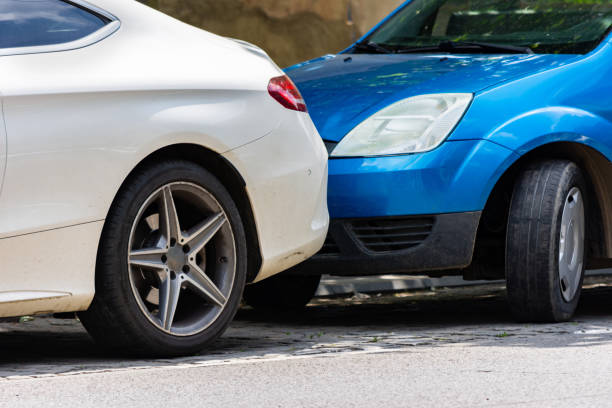
ประกันเปรียบเสมือนเบาะนุ่ม ๆ ที่คอยตามคุณไปทุกที่อยู่ด้านหลังคุณ หากเมื่อใดที่คุณเกิดการก้าวพลาดและสะดุดล้มขึ้นมา ประกันจะคอยเป็นตัวที่รองรับการล้มของคุณให้คุณเจ็บน้อยที่สุด โดยประกันแต่ละอย่างนั้นมีขอบเขตการคุ้มครองที่แตกต่างกัน และหลากหลายตามความเหมาะสมของลูกค้าแต่ละคนที่มีความต้องการในการทำประกันที่แตกต่างกัน โดยประกันระดับแรกเริ่มที่เป็นประกันที่สามารถเข้าถึงได้จากคนใช้รถแทบทุกคนคือ ประกัน 3+ เพราะประกัน 3+ มีความคุ้มครองที่เหมาะสมต้นทุนไม่สูงมาก และเหมาะสมกับการคุ้มครองเบื้องต้น แต่ถ้าหากว่าคุณเกิดประสบอุบัติเหตุในสภาวะเมาล่ะ ประกัน 3+ จะมีการคิดคำนวนในเรื่องของวงเงินช่วยเหลืออย่างไรบ้าง เรามาลองไปดูในบทความนี้กัน ผลกระทบของการขับขี่เมาต่อประกัน 3+ การขับขี่ในสภาวะเมาแอลกอฮอล์เป็นสิ่งที่ไม่ควรทำแน่นอน และมันยังส่งผลกระทบต่ออัตราประกันภัยรถยนต์ของคุณด้วย ถ้าคุณถูกจับขับขี่ในสภาวะเมาและถูกตัดสินว่าผิด คุณอาจต้องเผชิญกับการที่ต้องจ่ายเงินมากขึ้น บริษัทประกันภัยจะมองคุณเป็นบุคคลที่มีความเสี่ยงที่สูงขึ้น และจะเพิ่มอัตราประกันภัยของคุณเพื่อเป็นการควบคุมความเสี่ยงนั้น การประเมินความเสี่ยง บริษัทประกันภัยจะประเมินความเสี่ยงของคุณโดยดูที่ประวัติการขับขี่ของคุณ ถ้าคุณมีประวัติการขับขี่ระหว่างเมา บริษัทประกันภัยจะเห็นคุณเป็นความเสี่ยงที่สูงขึ้น การขับขี่เมาไม่เพียงแต่เป็นอันตรายต่อความปลอดภัยของคุณและผู้อื่น แต่ยังส่งผลกระทบต่ออัตราประกันภัยรถยนต์ของคุณด้วย การเลือกแผนประกันที่เหมาะสม ถึงแม้การขับขี่ระหว่างอาการเมาจะส่งผลกระทบต่ออัตราประกันภัยรถยนต์ของคุณ แต่คุณยังสามารถเลือกแผนประกันที่เหมาะสมสำหรับคุณ คุณควรพิจารณาความต้องการและงบประมาณของคุณ รวมถึงความเสี่ยงที่คุณอาจเผชิญ การทราบวิธีการที่บริษัทประกันภัยคำนวณราคาจะช่วยให้คุณเข้าใจว่าทำไมค่าประกันของคุณถึงเป็นอย่างนั้น และจะช่วยให้คุณสามารถทำการเปรียบเทียบแผนประกันที่ดีที่สุดสำหรับคุณได้ การป้องกันและการรับมือ การป้องกันเป็นวิธีที่ดีที่สุดในการจัดการกับผลกระทบของการขับขี่ระหว่างการเมากับประกัน 3+ การไม่ขับขี่เมื่อคุณดื่มแอลกอฮอล์ หรือหันไปเป็นการใช้บริการขนส่งสาธารณะหรือรถยนต์ส่วนบุคคลเมื่อคุณดื่ม สามารถช่วยป้องกันการเกิดอุบัติเหตุและการราคาประกันภัยที่เพิ่มขึ้นของคุณ นอกจากนี้ การเข้าร่วมโปรแกรมการบำบัดการดื่มแอลกอฮอล์ สามารถช่วยลดความเสี่ยงการเกิดอุบัติเหตุได้ การขับขี่เมาแอลกอฮอล์ไม่เพียงแต่เป็นอันตรายต่อความปลอดภัยของคุณและผู้อื่น แต่ยังส่งผลกระทบต่อราคาประกันภัยรถยนต์ของคุณด้วย การทราบวิธีการที่บริษัทประกันภัยคำนวณราคาประกันจะช่วยให้คุณเข้าใจว่าทำไมค่าประกันของคุณถึงเป็นอย่างนั้น และจะช่วยให้คุณสามารถทำการเปรียบเทียบแผนประกันที่ดีที่สุดสำหรับคุณได้ ไม่ว่าคุณจะเป็นผู้ที่มีประสบการณ์ในการขับขี่หรือเพิ่งเริ่มต้นขับขี่ การมีความรู้และความเข้าใจนี้จะช่วยให้คุณสามารถบริหารการใช้ประกัน […]
การประยุกต์ใช้กล่องลวดตาข่ายแมทเทรสในงานวิศวกรรม
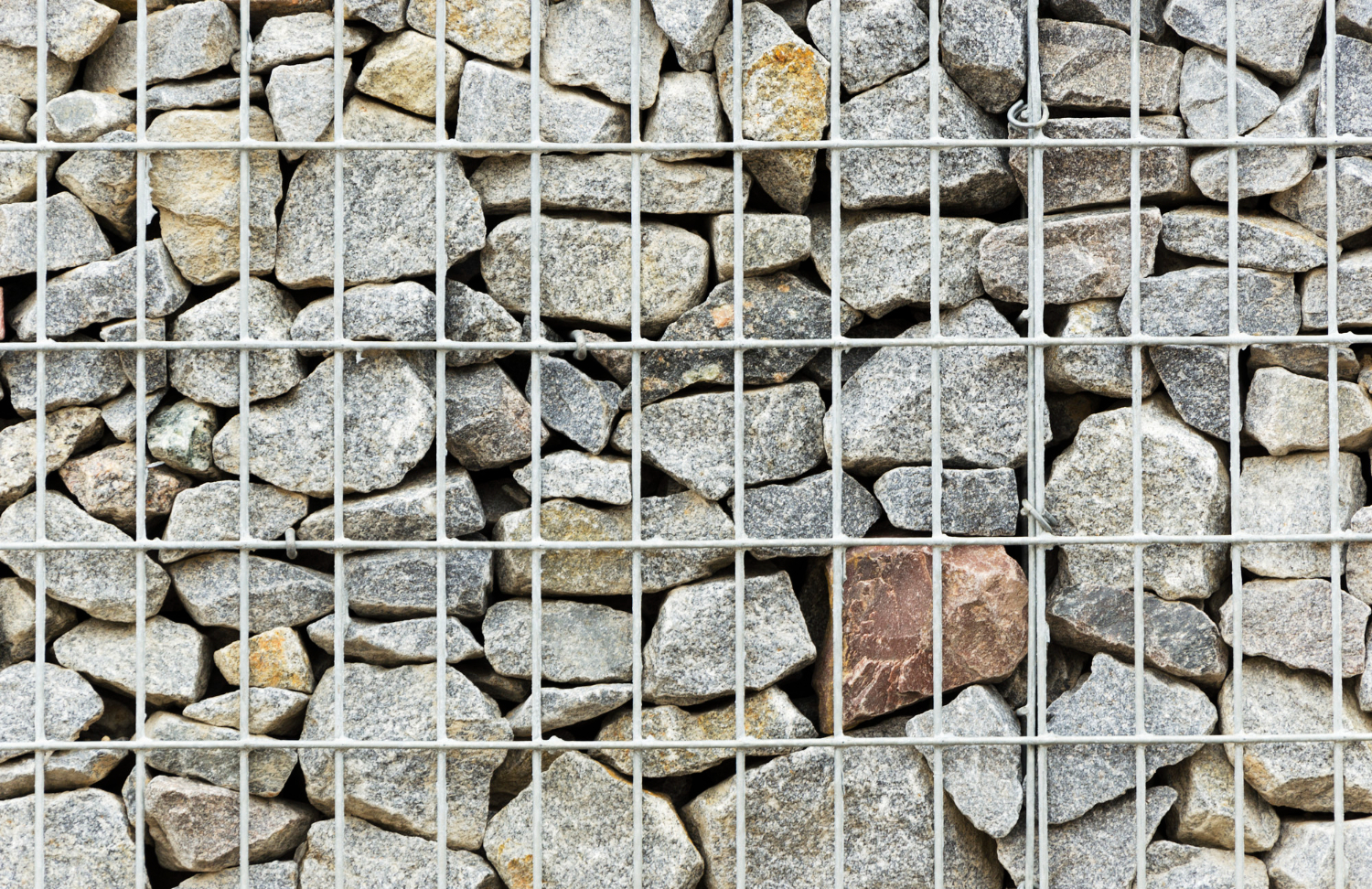
การประยุกต์ใช้วัสดุในงานวิศวกรรมที่หลากหลายและสร้างสรรค์เป็นส่วนสำคัญที่จะช่วยให้โครงการสามารถดำเนินการได้อย่างมีประสิทธิภาพและมีความคงทน วัสดุที่มีคุณภาพดีจะทำให้โครงการสามารถดำเนินการได้ตามเป้าหมายและสร้างผลงานที่มีคุณภาพออกมาได้ กล่องลวดตาข่ายแมทเทรสเป็นวัสดุที่ได้รับความนิยมอย่างมากในงานวิศวกรรมเชิงพาณิชย์ ด้วยความทนทานและความมั่นคงของการทำงานของมัน การใช้กล่องลวดตาข่ายแมทเทรสในงานวิศวกรรม กล่องลวดตาข่ายแมทเทรสเป็นวัสดุที่มีความทนทานต่อสภาพอากาศและสภาพแวดล้อมที่แย่ ทำให้สามารถใช้งานได้ยาวนาน นอกจากนี้ยังมีความทนทานต่อการกระแทกและการโหลดน้ำหนัก ทำให้เหมาะสำหรับการใช้งานในโครงการที่ต้องการความคงทนและความทนทาน การเปรียบเทียบก่อนและหลังการดำเนินโครงการวิศวกรรม การดำเนินโครงการวิศวกรรมด้วยวัสดุที่มีคุณภาพสูงอาจจะทำให้คุณต้องจ่ายเงินเพิ่มขึ้นในระยะสั้น แต่ในระยะยาว การดำเนินโครงการด้วยวัสดุที่มีคุณภาพสูงจะช่วยประหยัดเงินและเวลาได้มาก กล่องลวดตาข่ายแมทเทรสเรียกได้ว่าเป็นวัสดุที่คุ้มค่าในการลงทุน ด้วยคุณภาพและความทนทานที่เหนือกว่า การซ่อมแซมที่น้อยลง ระยะเวลาการใช้งานที่ยาวนาน และการประหยัดค่าใช้จ่ายในการซ่อมแซมจะเป็นตัวบ่งชี้ถึงความคุ้มค่าของการดำเนินโครงการวิศวกรรมด้วยกล่องลวดตาข่ายแมทเทรส การประยุกต์ใช้กล่องลวดตาข่ายแมทเทรสในโครงการวิศวกรรม กล่องลวดตาข่ายแมทเทรสมีความยืดหยุ่นในการประยุกต์ใช้งาน ไม่ว่าจะเป็นการใช้เป็นระบบการระบายน้ำ การควบคุมการชะล้างดิน หรือการใช้เป็นการรองรับโครงสร้างที่ต้องการความคงทน ด้วยคุณสมบัติที่หลากหลายนี้ กล่องลวดตาข่ายแมทเทรสเป็นวัสดุที่มีความคุ้มค่าและมีประสิทธิภาพสูงในการใช้งาน การลงทุนในกล่องลวดตาข่ายแมทเทรสเพื่ออนาคตที่ยั่งยืน การลงทุนในกล่องลวดตาข่ายแมทเทรสไม่เพียงแต่เป็นการลงทุนที่มีความคุ้มค่าในระยะสั้นและระยะยาวเท่านั้น แต่ยังเป็นการลงทุนที่มีความยั่งยืนและทำให้โครงการวิศวกรรมของคุณสามารถปรับตัวเข้ากับการเปลี่ยนแปลงของสภาพแวดล้อมได้ดีขึ้น ด้วยความทนทานและความยืดหยุ่นของกล่องลวดตาข่ายแมทเทรส คุณสามารถมั่นใจได้ว่าโครงการวิศวกรรมของคุณจะสามารถดำเนินการได้อย่างมีประสิทธิภาพและยั่งยืน ทั้งนี้ การลงทุนในกล่องลวดตาข่ายแมทเทรสจึงเป็นการลงทุนที่มีคุณค่าและมีประโยชน์ต่อโครงการวิศวกรรม สรุป การประยุกต์ใช้กล่องลวดตาข่ายแมทเทรสในงานวิศวกรรมเป็นการตัดสินใจที่ชาญฉลาด ด้วยความทนทานต่อสภาพอากาศ การโหลดน้ำหนัก และความยืดหยุ่นในการประยุกต์ใช้งาน กล่องลวดตาข่ายแมทเทรสเป็นวัสดุที่ควรมีในโครงการวิศวกรรมของคุณ ดังนั้น การลงทุนในกล่องลวดตาข่ายแมทเทรสจึงเป็นการตัดสินใจที่มีคุณค่าและมีประโยชน์ต่อโครงการวิศวกรรมในทุกมิติ
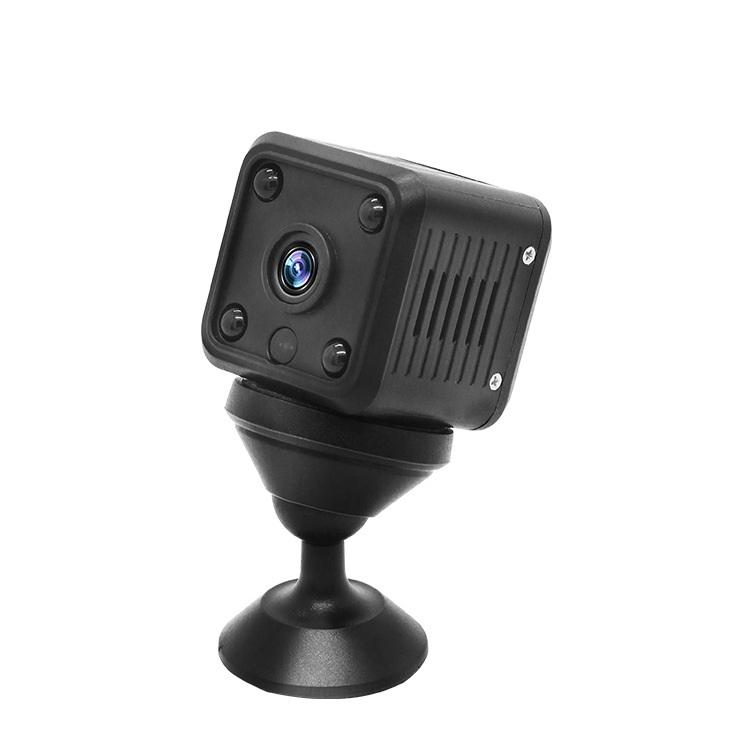
แนะนำกล้องจิ๋วใช้งานดี 2023
กล้องจิ๋ว เป็นกล้องตัวเล็กๆ ที่ส่วนใหญ่ใช้ในงานสืบสวน หรืองานสายลับ แต่ในปัจจุบันกล้องจิ๋วก็เป้นกล้งอทางเลือกที่หลายคนเลือกในการดูแลบ้านแทนกล้องวงจรปิด เพราะความเล็กจิ๋ว ติดตั้งสะดวก มีแบตเตอรี่ในตัว คุณภาพความละเอียดสูงเทียบเท่ากล้องวงจรปิด แต่มีราคาที่ถูกกว่ามาก ทำให้เหมาะสมที่จะมีไว้ใช้งานภายในบ้าน วันนี้เราจะมาแนะนำกล้องจิ๋วใช้งานดี 2023 กันเลย EVKVO EVKVO 1080P WIFI Mini Camera เป็นกล้องจิ๋วที่สามารถถ่ายวิดีโอที่มีความละเอียดสูงที่ Full HD 1920*1080P แต่ตัวกล้องมาในขนาดเพียง 2*6 ซม. เท่านั้น ทำให้ติดตั้งซ่อนเอาไว้ภายในบ้านได้ทุกจุดอย่างแนบเนียน เลนส์ของกล้องกว้าง ให้มุมมอง 110 องศา เก็บภาพได้ทั่วบริเวณ โดยใช้งานร่วมกับ การ์ด TF สูงสุด 128 GB ทำให้ถ่ายต่อเนื่องได้นาน มีแบตเตอรี่ในตัว หรือจะใช้งานร่วมกับพาวเวอร์แบงก์ ไฟฟ้าภายในบ้าน ก็จะช่วยให้การทำงานต่อเนื่องไม่ต้องกลัวแบตหมดเลย Temoo A9 กล้องจิ๋วที่คุณสามารถดูได้ผ่านสมาร์ทโฟนตลอดเวลาเพียงแค่เชื่อมต่อกับ Wi-Fi องรับการทำงานทั้งระบบ iOS , Android และระบบ Windows […]
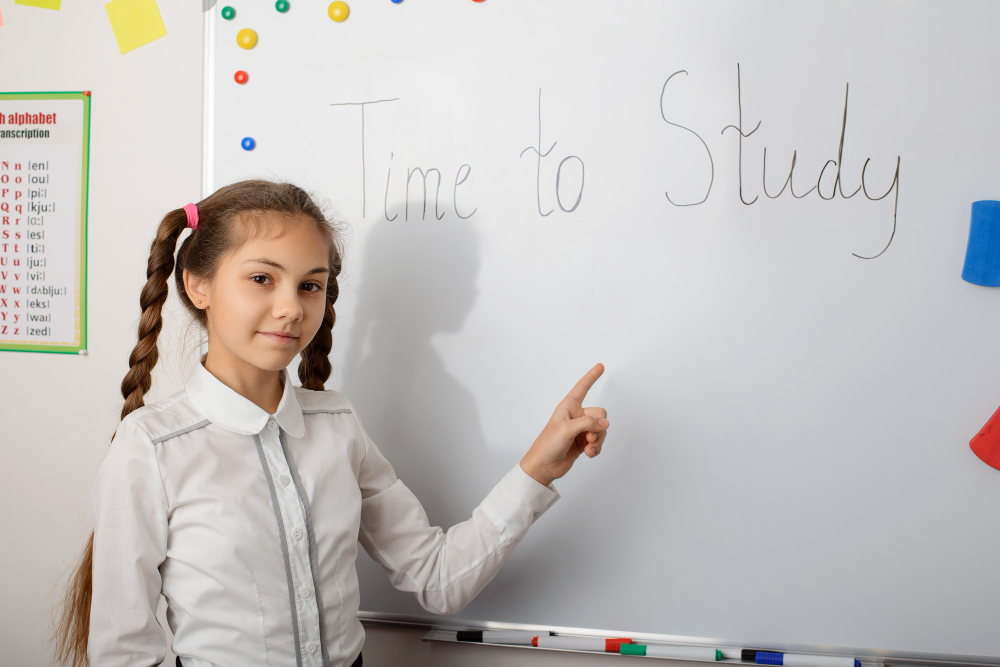
เหตุผลที่ต้องเรียนออนไลน์ภาษาอังกฤษ
อาจจะกล่าวได้ว่าการเรียนออนไลน์ภาษาอังกฤษถือเป็นสิ่งที่ไม่ว่าใครก็ไม่ควรมองข้าม เพราะว่าการเรียนภาษาออนไลน์นั้นเป็นสิ่งที่มีความน่าสนใจ นอกจากนี้การเรียนภาษาอังกฤษยังจำเป็นสำหรับทุกคน เพราะว่าทุกวันนี้จำเป็นต้องใช้ภาษาอังกฤษในทุกๆ วัน